What Disability Support Services Are Available for Adults in Pennsylvania?
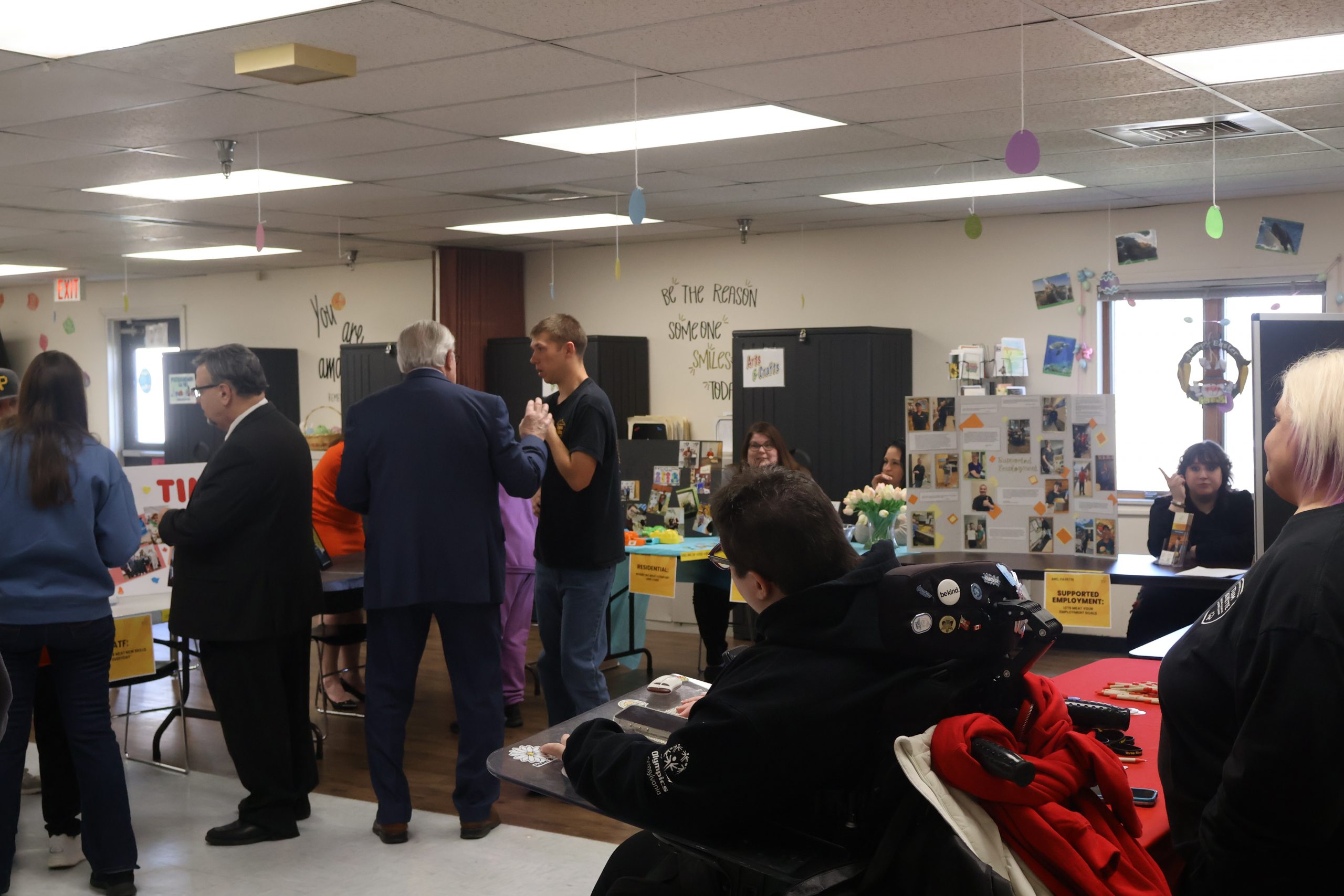
Finding the right disability support services in Pennsylvania can feel overwhelming for families, caregivers, guardians, and individuals trying to understand their options. Each person’s needs are different, and the available services may depend on eligibility, support goals, funding, and the individual’s current living situation.
Adults with developmental and intellectual disabilities in Pennsylvania may have access to services including Family Living, Residential Services, Supported Employment, Community Participation Supports, Companion Supports, In-Home and Community Supports, Adult Training Programs, and other person-centered supports designed to promote independence and community inclusion.
The goal of these services is to help individuals live as independently as possible while staying connected to their families, communities, interests, and personal goals. For some adults, that may mean support in a home setting. For others, it may mean help finding a job, building daily living skills, or participating more fully in community life.
The Arc of Fayette County has provided intellectual and developmental disabilities services in Pennsylvania to individuals and their families since 1959. With more than 60 years of service, the organization provides person-centered disability support services that focus on dignity, inclusion, family collaboration, and long-term support.
Understanding Disability Support Services
Disability support services help adults with intellectual and developmental disabilities build independence, participate in community life, and receive support with daily living. These services are not the same for every person. They are often based on the individual’s strengths, needs, preferences, goals, and support plan.
In Pennsylvania, adults who qualify may work with a Supports Coordinator to explore available programs and providers. A Supports Coordinator can help individuals and families understand service options, complete planning steps, and identify supports that may fit the person’s needs.
Disability support services can help with daily routines, employment goals, social engagement, community involvement, skill building, and stable living arrangements. The purpose is to help each individual live with greater independence while receiving the right level of support.
Family Living and Life Sharing Services
Family Living, often called Life Sharing in Pennsylvania, is a service where an adult with an intellectual or developmental disability lives in the home of a qualified family or caregiver. This arrangement is built around stability, relationships, and daily support in a family-style setting.
In a Family Living arrangement, individuals are matched with trained families based on their needs, preferences, interests, routines, and support goals. A strong match is important because the relationship between the individual and the family is central to the service’s success.
Family Living may support independence through everyday routines, community involvement, shared activities, and personalized assistance. It can also help individuals build meaningful relationships in a consistent home environment.
For some families, Family Living may be a good option when an individual would benefit from a smaller, relationship-based setting rather than a traditional residential program.
Residential Services for Adults With Disabilities
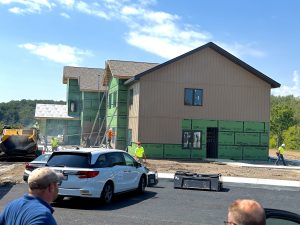
Residential services provide supportive living environments for adults with intellectual and developmental disabilities who need assistance in a community home setting. These services are designed to promote safety, stability, independence, and participation in everyday life.
Residential support may include help with daily routines, household responsibilities, personal goals, community involvement, and skill development. The focus should remain on the individual’s needs and preferences, not only the living arrangement itself.
For some adults, residential services may be appropriate when living alone or with family is no longer the best fit, or when the individual needs more consistent support to live safely and comfortably in the community.
The Arc of Fayette County provides Residential Services in community homes with 24/7 support. These homes are licensed through Pennsylvania’s Office of Developmental Programs, and residents work with their team to create an Individual Support Plan based on personal goals.
Supported Employment Services
Supported Employment helps adults with intellectual and developmental disabilities prepare for, find, and maintain meaningful work in the community. Employment can support independence, confidence, social connection, and personal growth.
These services may include job readiness, applications, interview preparation, workplace training, and ongoing support after a person is hired. The level of support depends on the individual’s goals, abilities, workplace needs, and long-term employment plan.
This service can also help individuals identify the type of work environment that fits their interests and strengths. For some people, that may involve learning workplace expectations. For others, it may involve support with communication, routines, transportation planning, or job coaching.
The Arc of Fayette County’s Supported Employment program helps individuals with developmental and intellectual disabilities explore, apply for, and work in competitive jobs in community settings with the support needed for success.
Community Supports and Participation Programs
Community-based support services help adults with disabilities stay active, connected, and involved in everyday life. These services may take place at home, in the community, or in settings where the individual is building skills, socializing, volunteering, or participating in activities.
Common community support services include In-Home and Community Supports, Companion Supports, and Community Participation Supports.
In-Home and Community Supports may help individuals with daily living skills, routines, community outings, appointments, and personal goals.
Companion Supports may assist with social connection, supervision, activities, and community involvement. Community Participation Supports focus on helping individuals take part in meaningful community-based activities.
These services can help reduce isolation, build confidence, strengthen independence, and support participation in local life. They are often customized to each person’s abilities, preferences, and support needs.
The Arc of Fayette County provides one-on-one services in In-Home and Community Supports, Companion Supports, and Community Participation Supports.
Adult Training and Skill Development Programs
Adult training and skill development programs provide structured opportunities for adults with developmental and intellectual disabilities to build skills, connect with others, and participate in meaningful activities.
An Adult Training Facility may include both facility-based and community-based experiences. These programs can support personal growth, social development, volunteer opportunities, daily routines, confidence, and community engagement.
For some individuals, an Adult Training Facility provides consistency and structure during the day. For others, it may support greater community participation, skill building, or preparation for future goals.
The Arc of Fayette County’s Adult Training Facility is a Community Participation Supports program that offers experiences at the facility and in the community. The program focuses on community inclusion, independence, choice, person-centered planning, volunteer opportunities, skill building, and social development.
How Families Can Access Disability Services in Pennsylvania
Accessing disability support services in Pennsylvania often begins with understanding eligibility, completing assessments, and working with the appropriate support system. Families may need to provide documentation and share information about the individual’s needs, diagnosis, routines, goals, and current supports.
Many individuals and families work with a Supports Coordinator. This person can help explain available services, develop plans, identify goals, and connect families with providers.
Once the person’s needs and options are reviewed, the support team can explore services such as Family Living, Residential Services, Supported Employment, In-Home and Community Supports, Companion Supports, Community Participation Supports, and Adult Training Facility programming.
Because eligibility, funding, and service availability can vary, families should speak with their Supports Coordinator, county resources, or a provider such as The Arc of Fayette County to learn what options may be available.
Why Families Choose The Arc of Fayette County
The Arc of Fayette County has supported individuals with intellectual and developmental disabilities and their families since 1959. With more than 60 years of service, the organization is a long-standing Pennsylvania nonprofit provider focused on person-centered support, community inclusion, and family collaboration.
Families may choose The Arc of Fayette County because the organization provides several services that can support adults at different stages of life. This range of services can help families explore support options as needs change over time.
An individual may need community support now, employment support later, or a residential option in the future. Working with an experienced provider can help families ask better questions and make informed decisions.
Finding the Right Disability Support Services
The right disability support services depend on the individual. One person may need help finding work. Another may need support at home. Another may benefit from Family Living, residential services, community participation, or adult training.
The best starting point is to focus on the person’s goals, preferences, strengths, and support needs. What does the individual want daily life to look like? What support would help them feel safe, confident, and connected? What skills do they want to build?
Families do not need to have every answer before reaching out. A first conversation can clarify available services, eligibility steps, and possible next options.
For adults with intellectual and developmental disabilities in Pennsylvania, disability support services can create pathways to greater independence, stability, employment, relationships, and community involvement.
Contact The Arc of Fayette County to learn more about available services and eligibility options for individuals and families seeking disability support in Pennsylvania.
Frequently Asked Questions
Pennsylvania
What disability services are available for adults in Pennsylvania?
Adults with intellectual and developmental disabilities in Pennsylvania may have access to services such as Family Living or Life Sharing, Residential Services, Supported Employment, In-Home and Community Supports, Companion Supports, Community Participation Supports, Adult Training Facility programs, and other person-centered supports.
What is Family Living or Life Sharing?
Family Living, also called Life Sharing, is a service where an adult with an intellectual or developmental disability lives in the home of a qualified family or caregiver. The service provides a stable, supportive home environment focused on relationships, daily routines, and personal goals.
What are residential services for adults with disabilities?
Residential services provide supportive living environments for adults with intellectual and developmental disabilities. These services may include assistance with daily routines, community participation, skill-building, personal goals, and stability in a community home.
How does supported employment help individuals?
Supported Employment helps individuals prepare for, find, and maintain meaningful work in the community. Support may include job readiness, applications, interviews, workplace training, job coaching, and ongoing assistance.
How do families access disability support services?
Families can begin by learning about eligibility, connecting with a Supports Coordinator, completing assessments, and exploring available providers and programs. Eligibility, funding, and service availability can vary.
What is the difference between community supports and residential services?
Community supports help individuals participate in daily life at home and in the community. Residential services focus on supportive living environments where an individual receives assistance in a community home setting.
Meta description: Explore disability support services for adults in Pennsylvania, including residential care, employment support, community programs, and Family Living.